September 7, 2026 Post by : Editorial Writer's Life
Reading Like a Writer: Turning Admiration into Instruction
We live in an age of immediate audience. A thought arrives and within seconds it can be posted, shared, responded to. For writers, this has created a quiet pressure that is easy to mistake for motivation. We start to write with the reader already in the room, imagining their reaction before the sentence is even finished. And while there is nothing wrong with writing for readers, there is something lost when every page is written with an audience looking over your shoulder.
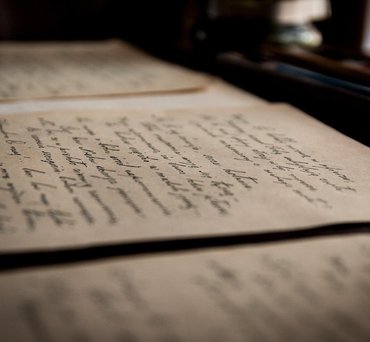
The private draft is the antidote. It is writing that no one will see, at least not in the form it takes now. It is the place where you can be uncertain, ugly, repetitive, and honest without consequence. It is, in many ways, the most important writing a person does.
Why Privacy Changes the Work
When you know no one is reading, you stop performing. You stop reaching for the impressive phrase and start reaching for the true one. You allow yourself to write the same idea three different ways just to see which one holds. You write scenes that go nowhere because you are curious where they go. You write badly, which is the only way to eventually write well.
Private writing also protects the early stages of an idea. A story in its first weeks is fragile. It is not ready for feedback, not because feedback is bad, but because it is too soon. Showing a newborn draft to a reader is like asking someone to critique a seedling. The seedling needs soil and time, not opinions. The private draft gives it both.
There is also a freedom in writing without an audience that is hard to find anywhere else. You can change your mind mid-sentence. You can contradict yourself. You can write something you do not believe just to find out what you do believe. This kind of play is not indulgent. It is how writers discover what they actually think.
How to Build a Private Practice
The first step is to separate your private writing from your public writing, literally. Different notebook. Different folder. Different time of day, if possible. The separation matters because it signals to your mind that this space is different, that the rules here are not the rules out there.
The second step is to resist the urge to share too soon. When you finish something that feels alive, the impulse to show someone is strong. Sometimes that impulse is right. Often it is premature. Give the work a week. Let it cool. If it still feels worth sharing after that, share it. If it does not, you have saved yourself the strange deflation of showing something before it was ready.
Finally, do not treat the private draft as a lesser form. It is not practice for the real thing. It is the real thing, just without witnesses. Some of the best work you ever do will start in a place no one else can see. That is not a limitation. It is a gift.
Write for yourself first. The audience, if there is one, comes later. And it comes better when the work has been allowed to become itself first.


Author

22 feb,2025
This incident opened my eyes to the value of Insurance in general, so I decided to examine my personal and business insurance.




Comment (3)
The payments are made directly from one person to another without passing through a central bank or clearing house.
22 feb,2025
ReplyThe Art of the Unfinished Draft: Why Abandoning a Project Is Not Always Failure
23 feb,2025
ReplyWriting Without an Audience: The Freedom of the Private Draft
23 feb,2025
Reply