September 10, 2026 Post by : Editorial Craft Reflections
Writing in the Margins: How to Build a Practice Around a Full Life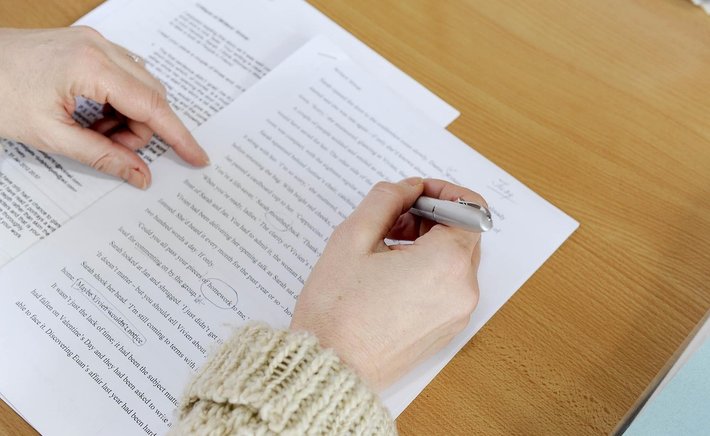
There is a folder on most writers' computers, or a drawer in most writers' desks, that holds the abandoned projects. The novel that stalled at chapter four. The essay that never found its ending. The short story that started with a great image and then went nowhere. We tend not to talk about these projects. They feel like evidence of our failure, proof that we could not see something through.
But the abandoned draft is not a verdict. It is a record of a question you were asking before you knew how to answer it. Some of those questions get answered later, in a different project. Some of them turn out not to have been the right questions at all. And some of them are simply waiting for you to become a different writer than the one who started them.
The Difference Between Quitting and Stopping
There is a meaningful difference between abandoning a project because it is hard and abandoning it because it is wrong. The first is a habit worth breaking. The second is a skill worth developing. The trouble is that they can feel identical in the moment.
One way to tell them apart is to ask what the project is costing you. If you are avoiding it because the writing is difficult but you still believe in the story, that is a signal to push through. If you are avoiding it because the story itself has stopped interesting you, or because every time you open the document you feel a kind of deadness rather than resistance, that is a different signal. Difficulty is not the same as disinterest.
Another test: can you describe what you were trying to do? If you can articulate the ambition of the piece, even if you cannot execute it, the project may be worth returning to. If you cannot remember what drew you to it in the first place, it may have already taught you what it had to teach.
What Abandoned Drafts Give You
Every unfinished project leaves something behind. A voice you tried on. A structure you learned did not work. A character who might walk into a different story later. The abandoned draft is not wasted time. It is rehearsal.
Writers who finish a lot of work tend to be writers who start a lot of work, and starting a lot of work means that some of it will not go the distance. The ratio is not a problem. It is the cost of doing business. The question is not whether you will abandon projects. It is whether you will let the abandonment stop you from starting the next one.
If you have a drawer full of unfinished things, do not treat it as a graveyard. Treat it as a workshop. Go back occasionally and read what is there. You may find that one of those old projects has been waiting for the writer you have since become.
And if none of them call to you, that is fine too. Close the drawer. Open a new document. The next one is always waiting.


Author

22 feb,2025
This incident opened my eyes to the value of Insurance in general, so I decided to examine my personal and business insurance.




Comment (3)
The payments are made directly from one person to another without passing through a central bank or clearing house.
22 feb,2025
ReplyThe First Draft Is Not a Failure: Learning to Love the Mess
23 feb,2025
ReplyWriting in the Margins: How to Build a Practice Around a Full Life
23 feb,2025
Reply