October 4, 2026 Post by : Editorial Craft & Process
The Quiet Power of Revision: Why the Second Draft Is Where the Book Lives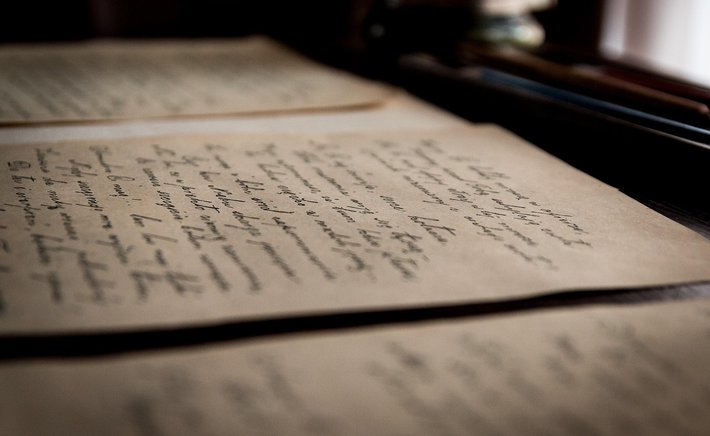
There is a particular kind of discouragement that settles in around page sixty of a first draft. The sentences feel clumsy. The plot has wandered. A character you loved in chapter one now speaks in a voice you barely recognize. Many aspiring authors read this mess as proof that they were never meant to write a book at all. But the first draft was never supposed to be good. It was supposed to exist.
I keep a battered notebook on my shelf that contains the opening of a novel I abandoned twice. The prose is stiff, the dialogue wooden, and yet I return to it sometimes because it reminds me of something essential: raw material is not the same as a finished product. A carpenter does not apologize for the uncut lumber in the workshop. A painter does not despair over the blank canvas before the first wash of color. Writers, somehow, expect themselves to skip straight to the finished thing, and then feel like frauds when they cannot.
The mess of a first draft is doing quiet, important work. It is discovering what the story is actually about, as opposed to what you thought it was about when you outlined it. It is testing voices, discarding the ones that ring false, and stumbling onto the ones that sing. Almost nothing you write in a first draft is wasted, even the parts you will eventually cut, because the cutting is only possible once the material exists.
Reframing the Draft as Discovery
Try this shift in language: instead of calling it a rough draft, call it a discovery draft. The word rough implies failure, as though you should have sanded it smoother. The word discovery implies purpose. You are not building the final house yet. You are walking the land, finding where the water runs, noticing which views are worth keeping.
When I teach writing workshops, I ask students to read their first pages aloud without any apology beforehand. The ones who preface with this is really bad, sorry are almost always the ones who quit. The ones who simply read, and then ask what the page is trying to become, are the ones who finish books. The difference is not talent. It is whether they can tolerate the middle of the process, the long stretch where the work is neither good nor finished, only underway.
Practical Habits for Surviving the Mess
First, separate drafting sessions from editing sessions completely. Do not fix a sentence while you are still writing forward. Keep a separate file called notes for later and drop your worries there, then return to the story. Second, set a modest daily word count and let it be ugly. Three hundred honest, unpolished words beat a thousand imagined perfect ones. Third, reread your draft only after a week away, and when you do, read it as a stranger would, looking for what is alive rather than what is broken.
The writers you admire have all written terrible first drafts. Some of them have written dozens. The book on the shelf is the last version, not the first, and the distance between those two is measured not in talent but in patience. Your draft is not a failure. It is a beginning, and beginnings are allowed to be messy.


Author

22 feb,2025
This incident opened my eyes to the value of Insurance in general, so I decided to examine my personal and business insurance.




Comment (3)
The payments are made directly from one person to another without passing through a central bank or clearing house.
22 feb,2025
ReplyThe Quiet Power of Revision: Why the Second Draft Is Where the Book Lives
23 feb,2025
ReplyWhen the Words Will Not Come: Writing Through Doubt and Dry Spells
23 feb,2025
Reply