September 28, 2026 Post by : Editorial Craft & Process
The Slow Writer's Advantage: Why Taking Your Time Makes Better Stories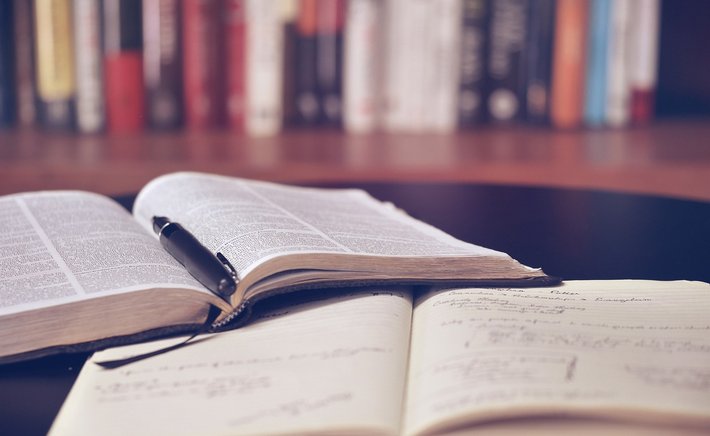
Most of us became writers because we fell in love with reading. But there is a difference between reading for pleasure and reading as a writer, and learning to move between the two is one of the fastest ways to improve your craft. The first reading is for the story. The second reading is for the machinery underneath it.
I still remember the first time I read a favorite novel a second time with a pencil in hand. I had loved it for years, but on that second pass I noticed things I had never seen: how the author planted a small detail in chapter two that paid off in chapter twenty, how the dialogue revealed character through what people refused to say, how the chapters ended on a question rather than an answer. The book had not changed. My attention had.
Reading like a writer does not mean draining the joy out of books. It means adding a second layer to your enjoyment, one that lets you steal useful techniques on purpose instead of by accident. Every writer you admire is a teacher who does not know they are teaching you.
What to Notice on a Second Pass
Start with structure. How does the author open the book? Where does the first major turn happen? How much time passes between chapters, and how does the writer handle the jumps? These choices are rarely accidental, and noticing them gives you options for your own work.
Then look at sentences. Copy out a paragraph you love by hand, word for word. This is an old exercise, and it works because your hand learns rhythm in a way your eyes alone cannot. You will start to feel where the author chose a short sentence for impact, where they let a long one unwind, where they broke a rule on purpose and got away with it.
Finally, watch character. How does the author show us who someone is without telling us? What do the characters want, and what do they do when they cannot have it? Pay attention to the small physical details, the nervous habits, the way a person enters a room. These are the building blocks you can borrow and adapt.
Building a Reading Practice That Feeds Your Writing
Keep two kinds of reading in your life at once. One is pure pleasure, no pencil, no analysis, just the joy that made you want to write in the first place. The other is study, slower and more deliberate, one book at a time. Do not analyze everything you read or reading will become homework. Choose one book a month to read as a writer, and let the rest be for delight.
Keep a commonplace notebook, a single place where you copy lines that stop you, note techniques you want to try, and jot questions the book raised. Over time this notebook becomes a personal textbook, written by the authors who shaped you. When your own draft stalls, open it. Somewhere in those pages is the move you need.
The writers you admire learned the same way. They read, and then they read again, and somewhere in the second reading they found the door into their own work.


Author

22 feb,2025
This incident opened my eyes to the value of Insurance in general, so I decided to examine my personal and business insurance.


Comment (3)
The payments are made directly from one person to another without passing through a central bank or clearing house.
22 feb,2025
ReplyKeeping a Commonplace Book: The Writer's Quietest Tool
23 feb,2025
ReplyThe Art of the Unfinished Draft: Why Abandoning a Project Is Not Always Failure
23 feb,2025
Reply